
Everything You Need to Know About Roof Air Ventilators
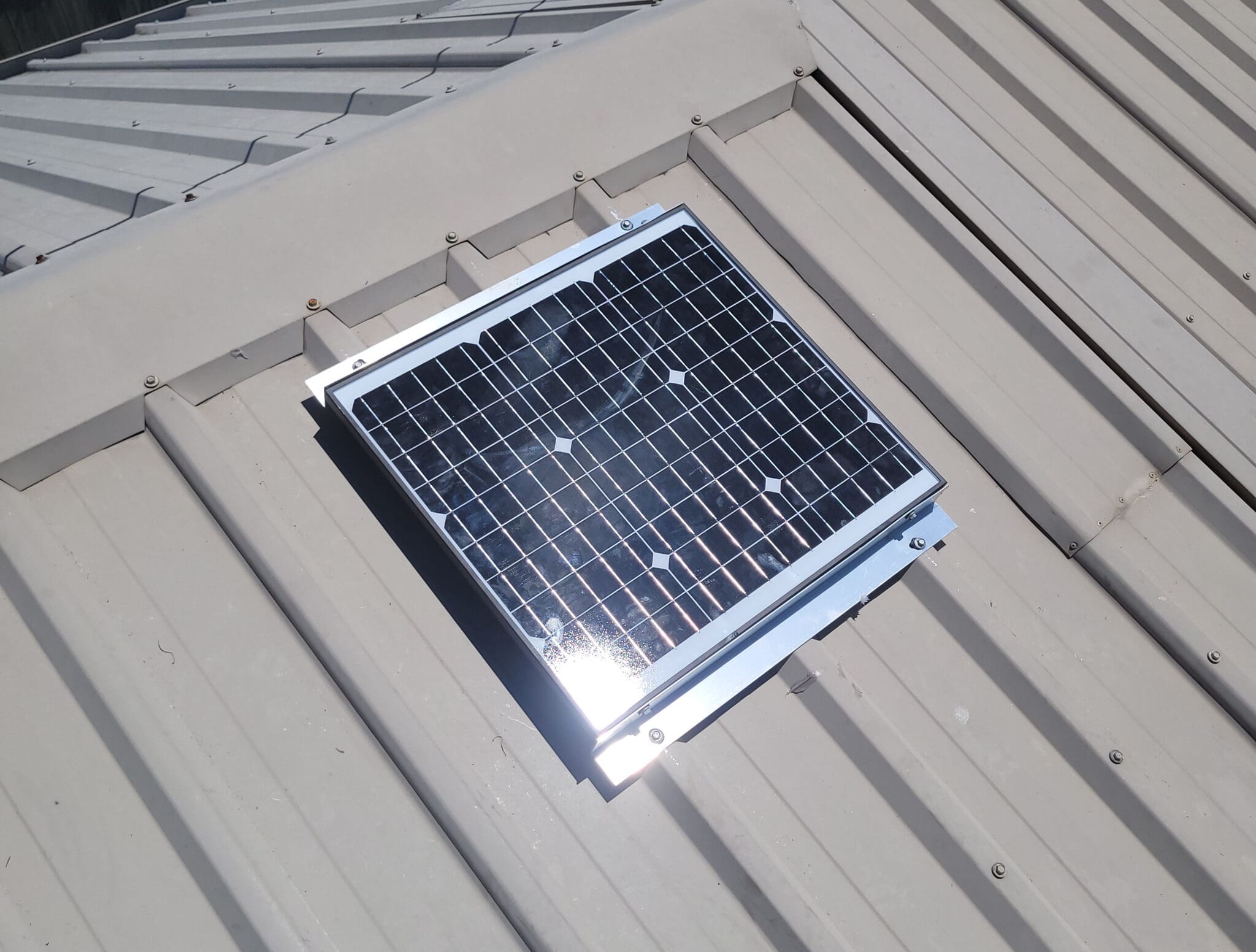
Roof air ventilators are an essential component of any building's ventilation system. They help to remove stale air, heat, and moisture from the building, creating a more comfortable and healthy indoor environment. In this article, we will discuss everything you need to know about roof air ventilators, including how they work, the different types available, and the benefits they offer.
How Roof Air Ventilators Work
Rooftop air ventilators work on a simple principle of natural ventilation. They rely on the natural forces of wind and buoyancy to create airflow through the building. As the wind blows over the roof ventilator, it creates a pressure difference that draws out the stale air from inside the building. At the same time, the warm air inside the building rises and escapes through the roof ventilator, creating a continuous flow of fresh air.
Types of Roof Air Ventilators
There are several types of solar ark roof ventilation ventilators available on the market, each designed for specific applications and environments. Some common types include:
- Wind-driven roof ventilators: These ventilators use the power of the wind to create airflow through the building. They are highly efficient and cost-effective, making them a popular choice for many buildings.
- Solar-powered roof ventilators: These ventilators are equipped with solar panels that convert sunlight into electricity to power the fan. They are ideal for buildings where electricity is not easily accessible.
- Turbine roof ventilators: These ventilators use a spinning turbine to create airflow. They are effective in removing hot air and moisture from the building, making them ideal for industrial and commercial applications.
The Benefits of Roof Air Ventilators
Roof air ventilators offer a wide range of benefits for both residential and commercial buildings. Some of the key benefits include:
- Improved indoor air quality: By continuously removing stale air and pollutants from the building, roof air ventilators help to improve indoor air quality, creating a healthier environment for occupants.
- Energy efficiency: Roof ventilators help to reduce the need for mechanical cooling systems by naturally cooling the building. This can lead to significant energy savings and lower utility bills.
- Moisture control: Roof ventilators help to remove excess moisture from the building, reducing the risk of mold and mildew growth. This is especially important for buildings located in humid climates.
- Extended roof lifespan: By reducing heat buildup in the attic, roof ventilators can help to prolong the lifespan of the roof, preventing damage caused by excessive heat and moisture.
Installation and Maintenance
Proper installation and maintenance of roof air ventilators are essential to ensure optimal performance and longevity. Here are some tips to consider:
Installation
- Install roof ventilators at the highest point of the roof to ensure maximum airflow.
- Ensure proper sealing around the ventilator to prevent leaks and water infiltration.
- Follow manufacturer's guidelines for spacing and quantity of ventilators based on the size of the building.
Maintenance
- Regularly inspect the ventilators for signs of damage or wear and tear.
- Clean the ventilators periodically to remove dust and debris that may obstruct airflow.
- Check the fan blades and motor for proper operation and lubricate as needed.
Conclusion
Roof air ventilators play a crucial role in maintaining a comfortable and healthy indoor environment. By understanding how they work, the different types available, and the benefits they offer, you can make an informed decision when choosing roof ventilators for your building. Remember to prioritize proper installation and maintenance to ensure optimal performance and longevity of your roof air ventilators.