
Beyond Carbon Emissions: Understanding the Impact of Direct Air Capture on the Environment
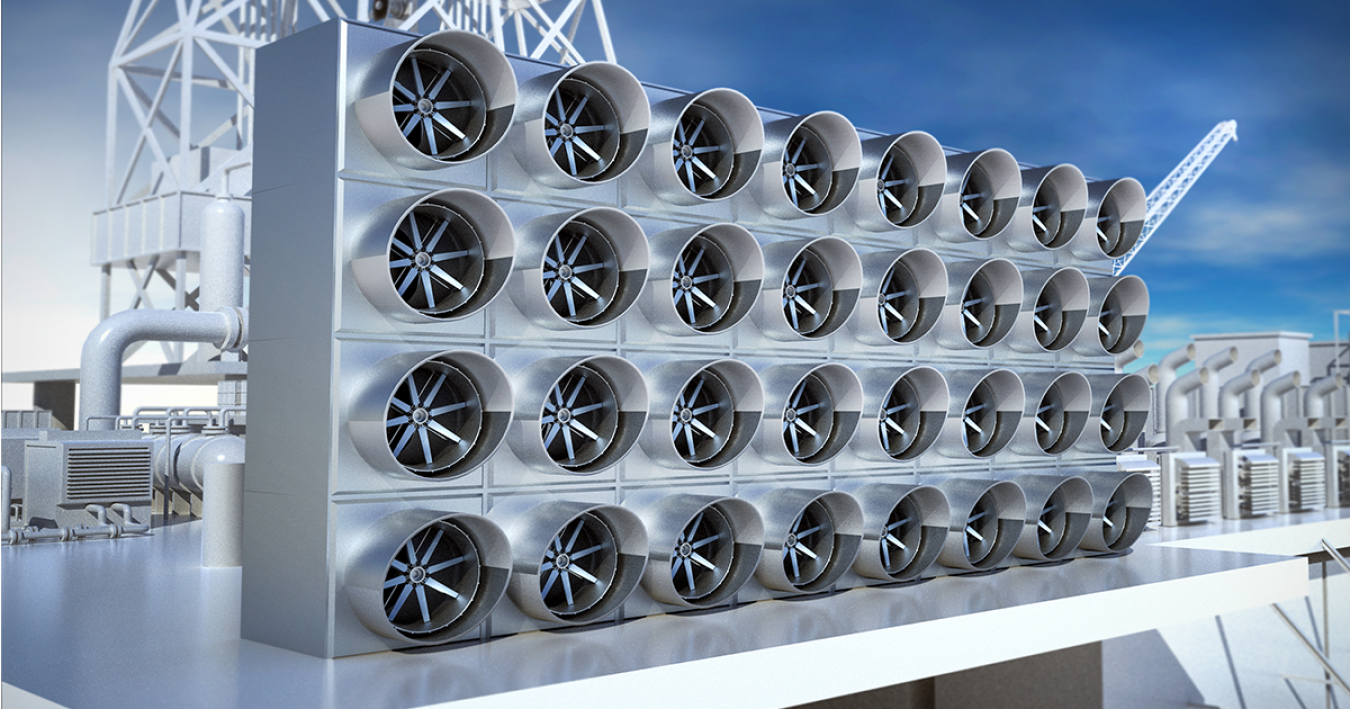
Image Source: Google
As the global community continues to grapple with the effects of climate change, innovative technologies like Direct Air Capture (DAC) are gaining attention for their potential to mitigate the impact of carbon emissions on the environment. DAC involves the removal of carbon dioxide directly from the atmosphere, offering a promising solution to combatting climate change. In this article, we will explore the impact of DAC on the environment beyond just reducing carbon emissions. If you are looking for the best direct air capture technology then, you can contact Carbon Capture Technology
The Process of Direct Air Capture
Direct Air Capture technology utilizes chemical processes to remove carbon dioxide from the air. The captured carbon dioxide can then be stored underground or utilized in various industrial processes. Here are some key points to understand the process:
Key Points:
- DAC technology involves the use of specialized equipment to capture carbon dioxide directly from the atmosphere.
- Once captured, the carbon dioxide is either stored underground in geological formations or utilized in industries such as agriculture and manufacturing.
- The process of DAC requires energy, which can come from renewable sources to minimize the overall environmental impact.
Environmental Benefits of Direct Air Capture
While the primary goal of DAC is to reduce carbon emissions, the technology offers additional environmental benefits that are worth considering. Let's explore how DAC can positively impact the environment:
Reduction of Atmospheric Carbon Dioxide Levels
- By capturing carbon dioxide directly from the air, DAC helps reduce the overall concentration of this greenhouse gas in the atmosphere.
- This reduction in atmospheric carbon dioxide levels can contribute to slowing down the progression of climate change and its associated impacts such as rising temperatures and sea levels.
Promotion of Carbon Neutrality
- Utilizing captured carbon dioxide in industrial processes can help industries achieve carbon neutrality by recycling the greenhouse gas rather than emitting new carbon dioxide into the atmosphere.
- This shift towards carbon neutrality is essential in meeting global climate targets and transitioning to a more sustainable future.
Enhancement of Air Quality
- By removing carbon dioxide from the air, DAC can improve overall air quality, reducing pollution and its associated health risks.
- Cleaner air can benefit both human health and ecosystems, creating a healthier environment for all living organisms.
Challenges and Considerations
While Direct Air Capture offers significant environmental benefits, there are also challenges and considerations that need to be addressed to maximize its impact. Here are some key factors to consider:
Energy Consumption
- The process of capturing carbon dioxide requires energy, which can come from renewable sources to minimize the environmental footprint of DAC.
- Efforts should be made to ensure that the energy used in DAC operations is sustainable and does not contribute to further greenhouse gas emissions.
Cost-Effectiveness
- Direct Air Capture technology can be expensive to implement and operate, posing a challenge for widespread adoption.
- Investments in research and development are necessary to drive down costs and make DAC more economically viable in the long run.
Scale and Implementation
- Scaling up DAC technology to have a significant impact on global carbon emissions requires substantial infrastructure and resources.
- Collaboration between governments, industries, and research institutions is essential to drive the widespread implementation of DAC on a global scale.
Conclusion
Direct Air Capture technology holds promise as a solution to combating climate change by directly removing carbon dioxide from the atmosphere. Beyond its impact on reducing carbon emissions, DAC offers environmental benefits such as promoting carbon neutrality, improving air quality, and reducing atmospheric carbon dioxide levels. While there are challenges to overcome, the potential of DAC to mitigate the effects of climate change makes it a technology worth exploring and investing in for a sustainable future.