
Master Your Plastering Skills with the Right Supplies
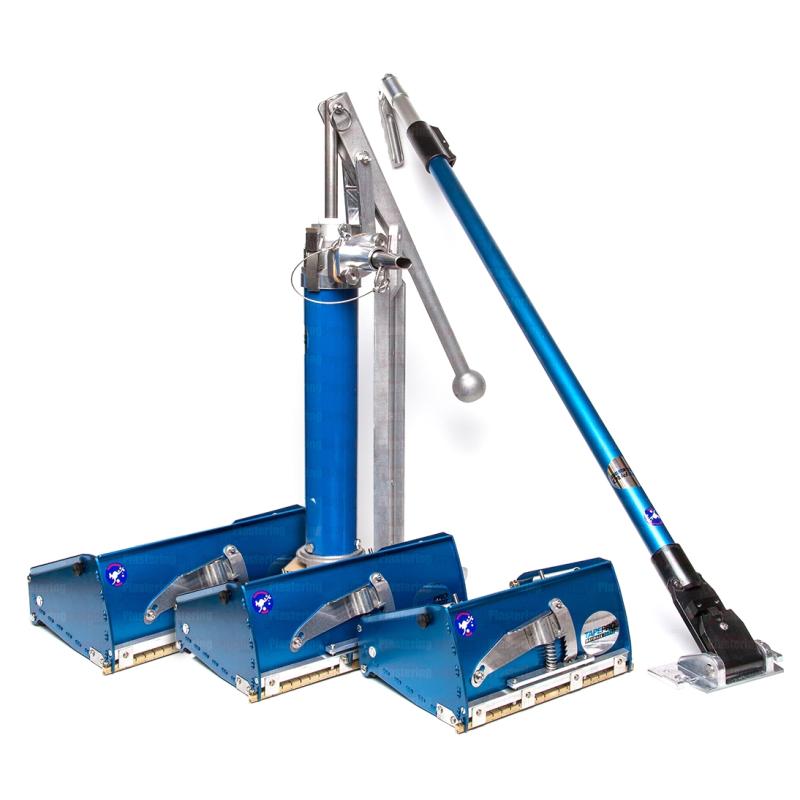
Plastering is an essential skill in the construction and renovation industry. Whether you are a professional tradesperson or a DIY enthusiast, having the right plastering supplies is crucial for achieving a smooth and professional finish. In this article, we will explore the key supplies you need to master your plastering skills and create impeccable walls and ceilings.
The Importance of Quality Supplies
Using the right supplies is essential for achieving high-quality plastering results. Quality supplies not only make your job easier but also ensure a durable and long-lasting finish. Here are some reasons why using the right supplies is crucial:
- Ensures a smooth and seamless finish
- Improves work efficiency
- Enhances durability of the plaster
- Reduces the risk of errors and rework
Essential Plastering Supplies
1. Plastering Trowel
A plastering trowel is a must-have tool for applying and smoothing plaster on walls and ceilings. Choose a high-quality stainless steel trowel for durability and precision in your work.
2. Plastering Hawk
A plastering hawk is used to hold the plaster while you work. It provides a stable surface to scoop plaster from and helps you achieve a consistent finish on walls and ceilings.
3. Jointing Knife
A jointing knife is essential for creating clean and sharp edges while plastering. It is also used for filling in gaps and smoothing out rough patches on the surface.
4. Plaster Mixing Paddle
A plaster mixing paddle attaches to a drill and is used for mixing plaster and other materials efficiently. Using a paddle ensures a smooth and lump-free plaster mix for your project.
5. Sandpaper
Sandpaper is necessary for smoothing out rough patches and imperfections on dried plaster. It helps achieve a flawless finish before painting or final decoration.
Tips for Mastering Your Plastering Skills
1. Prepare the Surface
Ensure the surface you are plastering is clean, dry, and free of any dust or debris. Proper surface preparation is key to achieving a seamless finish.
2. Practice Proper Technique
Mastering plastering techniques takes practice. Experiment with different strokes and pressure levels to find what works best for you.
3. Work Efficiently
Work in small sections at a time to ensure the plaster does not dry out before you can finish smoothing it. Keep your tools clean and use them properly for best results.
4. Keep a Smooth Motion
When applying plaster, use smooth and even motions to spread it across the surface. Avoid abrupt movements that can create uneven patches.
5. Pay Attention to Detail
Take the time to inspect your work for any imperfections or rough spots. Use your jointing knife and sandpaper to correct any issues before the plaster dries.
Conclusion
Mastering your plastering skills requires the right tools and supplies. By investing in quality supplies and following proper techniques, you can achieve professional results and create flawless walls and ceilings. Remember to practice regularly and pay attention to detail to improve your plastering skills over time.